
This week was another crazy one in my every day life. It’s still the busy season at work. I had a store event both days this weekend, so there wasn’t “time” to do too much else. Also, I am so so tired.
I think I only did my morning pages about two or three times this week, which is a bummer because I think they really help me out. That’s gonna be my goal this week is to get back to doing my journaling, even if it’s not in the morning.
This week tackles another major creative block: time. You will explore the ways in which you have used your perception of time to preclude taking creative risks. You will identify immediate and practical changes you can make in your current life. You will excavate the early conditioning that may have encouraged you to settle for far less than you desire for your life.
Instead of being about time, I found this chapter focused on creative losses and scars. Julia discusses that, in order to move on from our artistic losses, we must first grieve and share them. Our creative side will always be a child. We need to comfort that child after losses even if we, the adults, understand rationally what has happened. Our creative is pure emotion and feeling. We cannot ignore what hurts our creative’s feelings. We must acknowledge it and let our creative be as upset as it wants before we move on.
Julia also walks us through how most of the hurt we feel as creatives comes from unproductive criticisms. Not the ones that are constructive or usable, but the ones that leave us feeling worse about our work with no real direction to make it better. The snotty comments from that one mean girl in art class, the teachers who say fantasy is not valid creative writing, and the authority figures who told us we were wasting our time. These are not criticisms we can use constructively, they are just hurtful to us.
There is an exercise provided to look at the hurst of our young artist. It’s meant to pinpoint where our block may have stemmed from, or what it feels like is becoming our self-fulfilling prophecy. Once we can identify where the hurt starts, we can start to move on.

What are the gains within the losses? “In order to catch the ball, you have to want to catch the ball.” Julia explains that this doesn’t mean stretching for the ball you desperately want, it means looking for the gains within the losses and moving to catch the ball meant for you. Another thing to take with a grain of salt. Often, we don’t see the opportunity within the loss because the loss just sucks. Not getting the job you really wanted, sucks. Not having a submission chosen, sucks. Getting rejected, sucks!
This gains in the losses is like the “when one door closes another opens.” To Julia, this may not look like a door at all. It may look like a window. If we’re only looking for doors, we won’t see the open window. The “why me” turns into “okay, that wasn’t it…what next?” It’s like saying to ourselves, “I acknowledge your pain, I promise you a future worth having.” A target in motion is much more enticing for the universe. So keep moving.
It’s never too late to start a creative endeavor. Yes, young talent often gets the glory because it seems so amazing to us when somebody so young can be so far ahead of their time. But…that’s because they did the work (and often time it’s a marketing ploy…). I used to want to be that kind of talent who impressed the world by getting published at 16 or 18 or 19 or before 30. That…didn’t happen. There’s a strong desire to say it’s too late. That nobody would pay attention to me now that I’m not the “gifted and talented” student I once was. I won’t land on the 30 under 30 list anymore. But…that’s okay. It doesn’t mean I am barred from creating.
Often, the best stories in my mind are of the 70-year-olds who took up art in their retirement and go on to be in galleries. Or the working mom who had to put her novel on hold to raise her kids, but once she got back to it, she knocks the socks off of the critics. We love to see success from younger people because it seems amazing, but I think the ones where people retake their lives is even better.
The next step is to identify the next smallest step we can take toward our creative dreams. It’s not assuming that we’re going from first sentence to best selling novel. We’re going from one sentence to the next and the next and the next. It’s what we can do right now, tomorrow, a week from now, a month from now, etc. Small steps instead of trying to jump up a mountain straight to the top.
As Caroline Donahue says, “manageable yet meaningful.” 5 minutes of writing might work better for us at the start than 5 hours. What can we manage to get done that is still meaningful progress for our projects.
Goal Search.
Even if this is hard, do it anyway. The act of imagining a dream in concrete detail helps bring it into reality. If you find you have more than one dream, do it for each one you’d like to play with. Think of this goal search as a preliminary architect’s sketch of the life you wish you could have.
The steps:
- Name your dream. Write it down. In a perfect world, I would love to be a ______________.
- Name one concrete goal that signals to you that you have accomplished this dream. On an emotional compass, this goal is true north. (Best-selling novelist might mean acclaim is your true north. A dedicated readership might mean visibility or sense of community. Being noted as someone’s favorite author might mean connectivity.)
- In a perfect world, in five years where are you relating to your sense of true north?
- What action can you take this year that will move you toward that goal? What action this month? This week? Today? Right now?
- List your dream. List it’s true north. Select a role model. Make an action plan for five years, one year, one month, this week, today, right now. Choose an action.
Color Scheme:
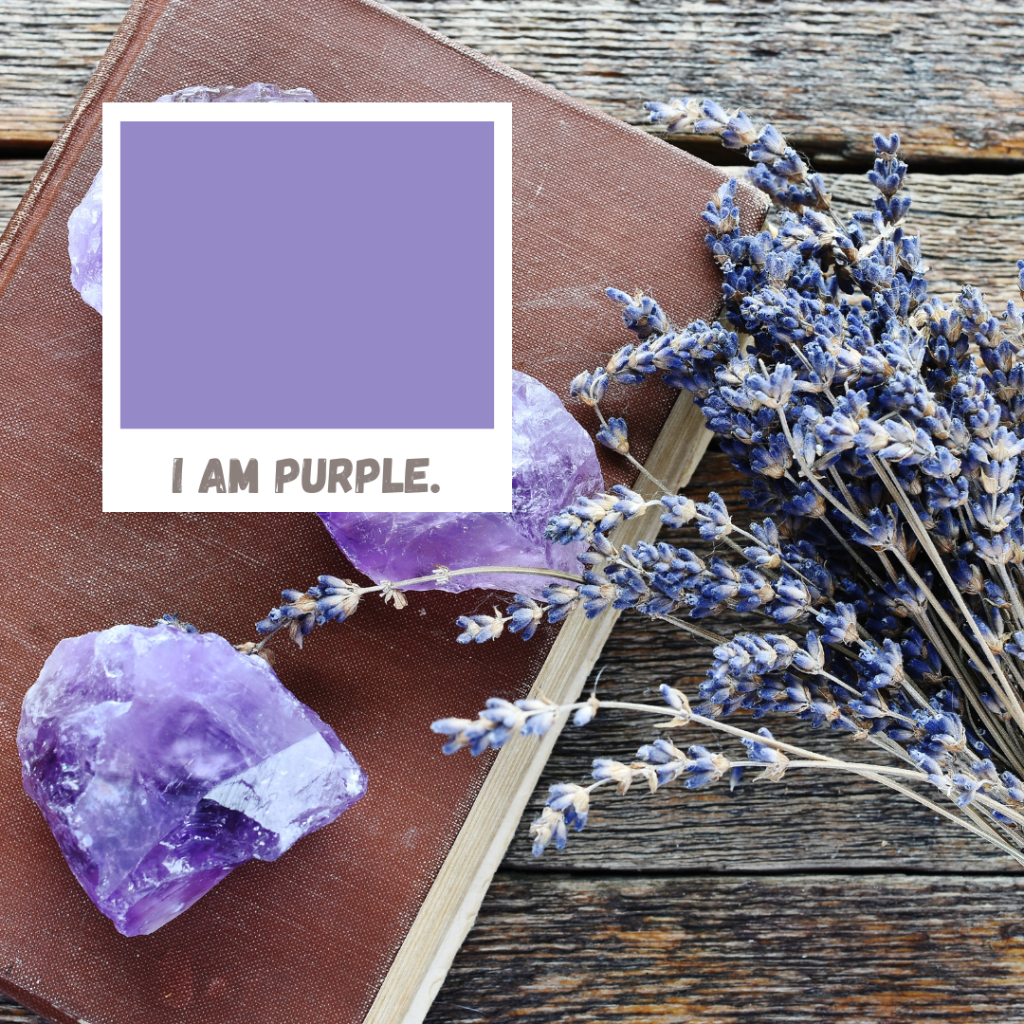
Pick a color and write a quick few sentences describing yourself in the first person as that color. What is your favorite color? What do you have that is that color? Can you decorate your room, your house, to reflect who you are?




Write about your ideal day. What does that look like as your life is now? What does it look like as your “ideal” ideal life?
Happy Creating!
Rachel

 Subtle Stories